Offices, Retail & Public
It begins with design development. Working hand-in-hand with our architect partners, we select an approach that meets your vision, aesthetic goals and budget.
Scandinavian coolness and sleek elegance to offices and public spaces
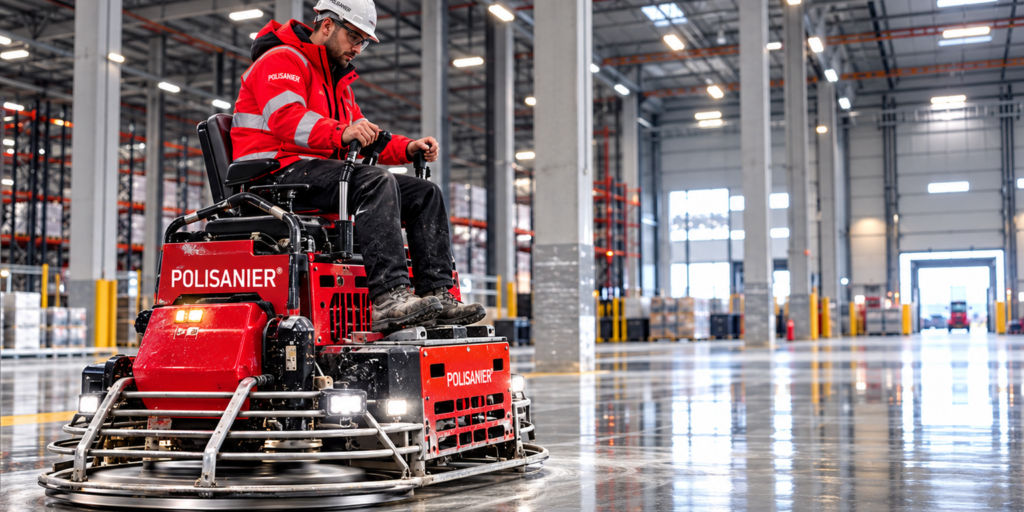
Polished concrete has become a popular choice in modern offices, public spaces, and retail environments, celebrated for its minimalist appeal and practical benefits. This flooring embodies the essence of cool Scandinavian design, known for its clean lines, simplicity, and functionality. The seamless and reflective finish of polished concrete creates a contemporary, sophisticated atmosphere, enhancing the aesthetic appeal of a space while maintaining a sense of openness and light.
Architects and designers often choose polished concrete for its exceptional durability. It can withstand heavy foot traffic and frequent use without showing significant signs of wear, making it ideal for high-traffic public spaces and bustling retail areas. Additionally, polished concrete is resistant to staining, making it easier to maintain compared to other flooring options. This contributes to its cost-effectiveness, as it requires minimal upkeep over its long lifespan.
The installation of polished concrete is also cost-effective when considering its overall value. Its initial investment is typically lower than that of other high-end flooring materials, and its longevity means fewer replacements or repairs are needed over time. Furthermore, polished concrete can be incorporated into existing slabs, reducing material use and contributing to sustainability—a key factor for environmentally conscious projects.
Incorporating polished concrete into modern designs aligns with the trend of embracing simplicity, functionality, and eco-friendly practices. For architects seeking a durable, stylish, and cost-effective flooring solution that complements contemporary and Scandinavian-inspired interiors, polished concrete remains a top choice.

What to consider when designing your space
Some relevant statistics and findings include:
First Impressions Matter: According to a 2019 study by Retail Dive, nearly 75% of consumers say that the appearance of a store or showroom influences their decision to purchase, even more so when the environment feels comfortable and professional.
Retail Environment and Purchase Intentions: A 2018 study by the Journal of Business Research found that an attractive and organized retail environment, including elements like lighting and flooring, can increase purchase intentions by up to 40%.
Showroom Aesthetics and Customer Engagement: A report by AutoTrader revealed that 69% of car buyers are influenced by the visual appeal of the dealership, with 49% of buyers indicating that they are more likely to purchase from a dealership that offers a modern, clean, and appealing environment.
The Role of Cleanliness: Specifically, for car dealerships, a clean and polished showroom is vital. A survey by Automotive News found that 68% of customers stated that they associate the cleanliness of a dealership with the quality of the cars sold. A polished concrete floor, which enhances the showroom’s aesthetic and is easy to maintain, helps create a professional and polished image that boosts buyer confidence.
The three pillars of sustainable construction
Sustainability in construction reflects three key pillars: ecological, economic, and socio-cultural quality. A truly sustainable building seamlessly integrates these elements. For instance, a structure that is eco-friendly but overly expensive and unsellable cannot be considered sustainable. Similarly, an inexpensive building lacking comfort fails to meet essential criteria. Ecological measures should enhance, not diminish, user comfort.
Beyond these three pillars, sustainability also requires thorough planning, technical implementation, and thoughtful community engagement. These factors are integral to comprehensive systems like the DGNB certification, which evaluates buildings on all six aspects to ensure they meet high sustainability standards.
Long term value and the role of polished concrete
Effective sustainability involves evaluating a building’s entire life cycle—from raw material extraction and production through construction, operation, and eventual deconstruction. This approach ensures minimized environmental impact and makes costs transparent and calculable. Recording life cycle costs prevents unexpected expenses, preserves value, and provides building owners with clear expectations for long-term maintenance or future deconstruction.
POLISANIER® polished concrete aligns perfectly with this sustainable approach. Renowned for its exceptional durability, it often outlasts the building itself, making it an eco-friendly choice. Its low cost and minimal maintenance requirements contribute significantly to economic sustainability. By reducing replacement and upkeep expenses over decades, POLISANIER® polished concrete offers substantial value. This blend of cost-effectiveness, durability, and minimal ecological impact has made it a preferred option for architects aiming for sustainable, long-lasting, and aesthetically pleasing spaces.
Ready to hear more ?
Click the button below and let us tell you all about it.
Inspire
Explore our Office and Retail projects